How Parkes Performance
got its operating system
One system for the whole business, from the first click on the website to the last rep of the session. The first student was training on it in 12 days.
Live. One beta student training on the platform since the week of 19 October 2026. Rollout to the full student base is under way.
A coach with twelve years of clients had the system in his head. In two days he could see it.
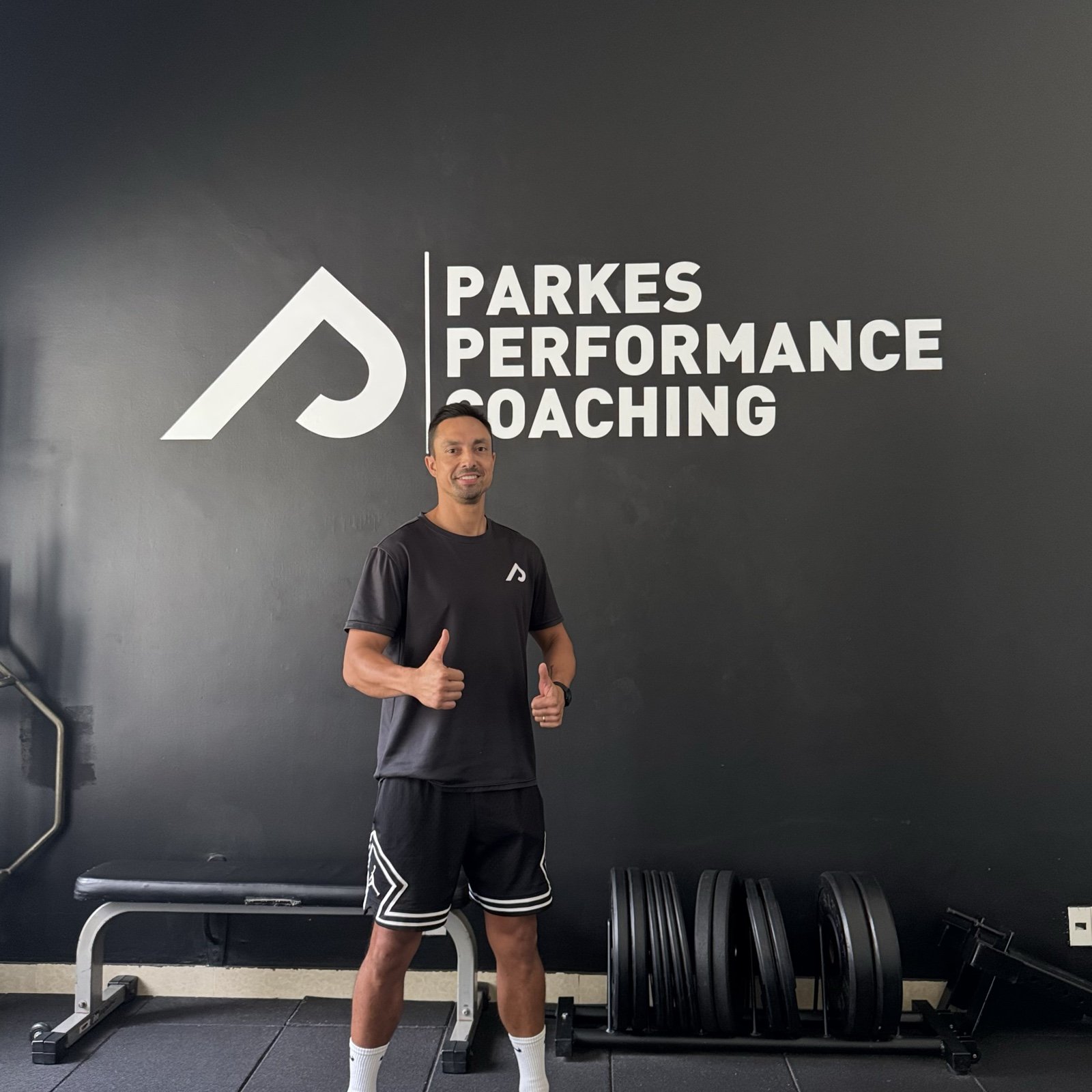
Justin Parkes runs a strength and rehab practice with twelve years of clients, nearly all by word of mouth. Until October the whole operation lived in his head, a Google Form and a stack of spreadsheets. Two days after the work started he had a draft he could click on. Twelve days in, a student was training on it. If your business runs on your memory, this is what it looks like to get it out.
Nearly all by word of mouth. Most arrive already sold.
From the start of the work to something Justin could click on.
Between 7 October and 1 November, with 60 database migrations and 598 test files behind them.
The site, the admin, the coach hub and the PPC Lab, at parkesperformance.app.
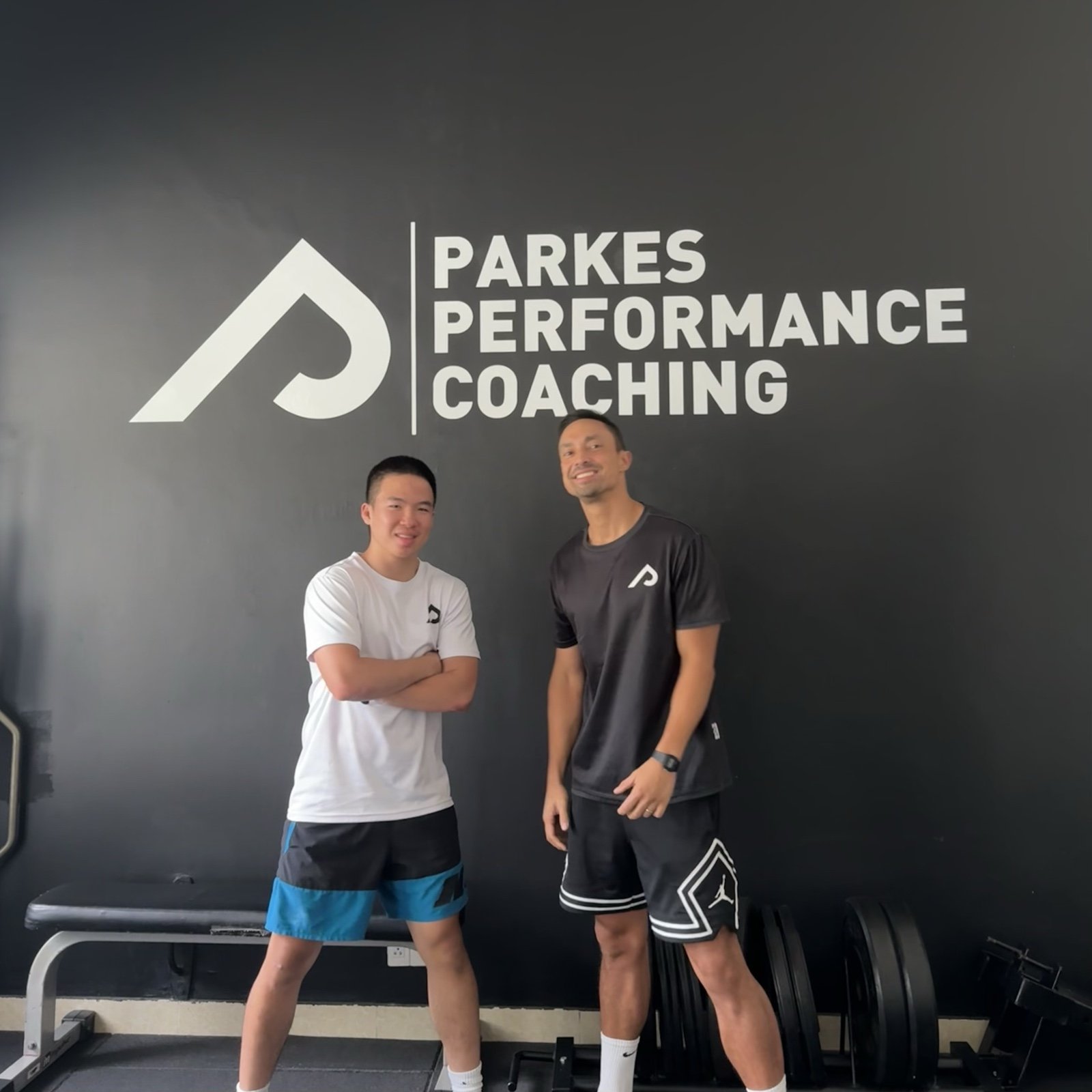
Parkes Performance Coaching is a strength, athletic-performance and injury-rehab practice in Ho Chi Minh City, run by Justin Parkes. Until October 2026 it ran on a Wix site, a Google Form, spreadsheets and chat threads. Edge8 replaced all of it with one platform on one database: a public website with a lead-scoring audit, an admin for the business, a coach hub for the training floor, and the PPC Lab, a portal for every student. The first commit was 7 October. The first student was training on it by the week of 19 October, and the rest of the roster follows through November.
Twelve years of clients, nearly all by word of mouth, and most of them already sold when they walked in. Intake was a Google Form, then a consultation and an assessment where both sides decide. Tracking lived in Apple Notes and spreadsheets: the few markers that matter to each client, checked every month or two. Programs lived in sheets the client never saw. Progress lived in the coach's head.
Justin had picked this year to take a leap: systems and processes, social media and content, and scaling his method into online training. He was already deep in AI on his own. What held him back was not doubt about AI but not knowing what was possible. His information was everywhere, his sheets were a mess, and he did not think he was ready.
PPC also had the harder version of the problem: half its clients are rehab cases. Health screening, movement assessment and consent are not optional paperwork, they are the product. The system had to hold health data properly or not at all.
“It's what I want, but I didn't even know it was what I wanted.”
Justin Parkes, founder, Parkes Performance Coaching
A three-hour onboarding workshop, then the review queue.
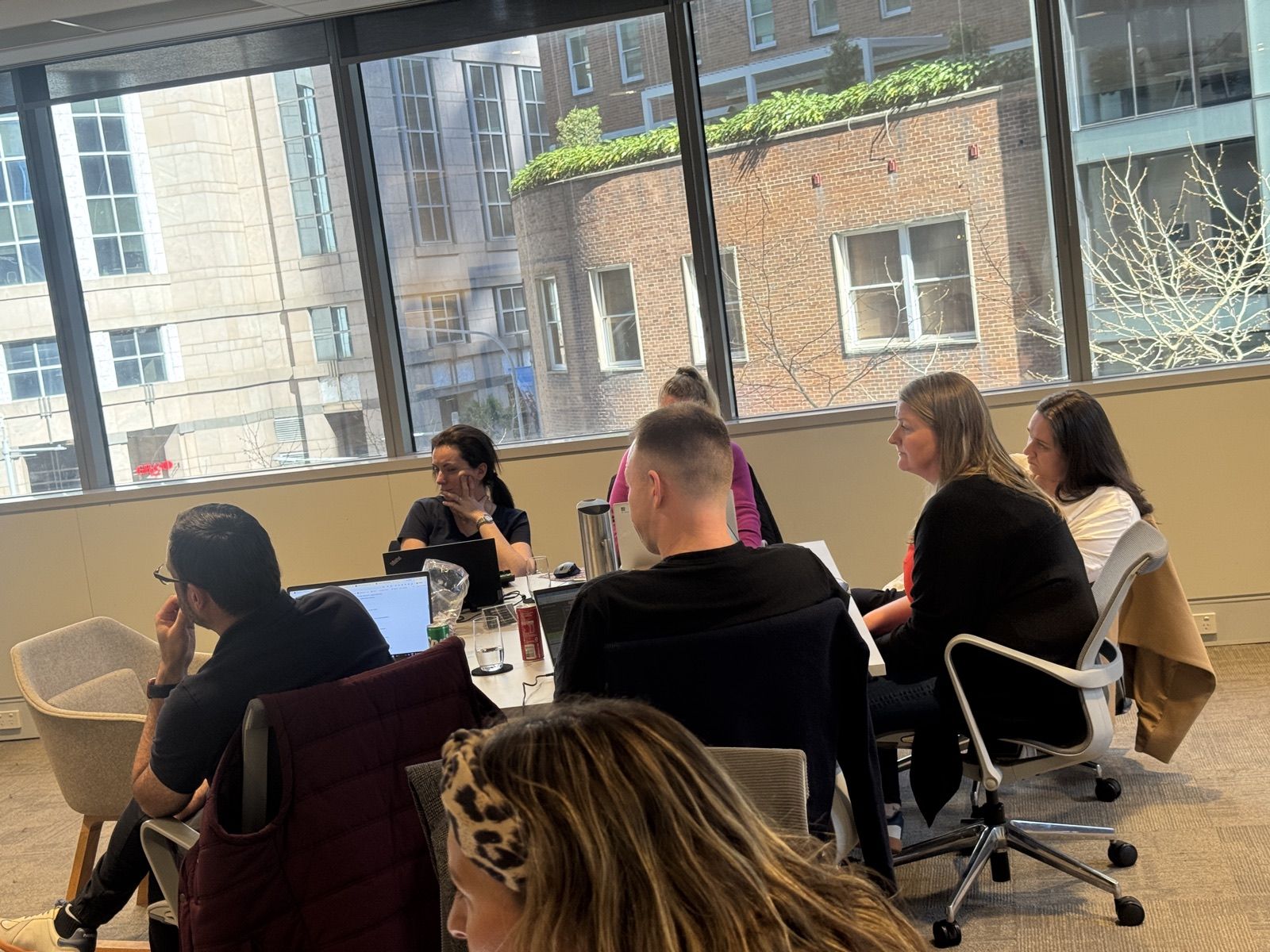
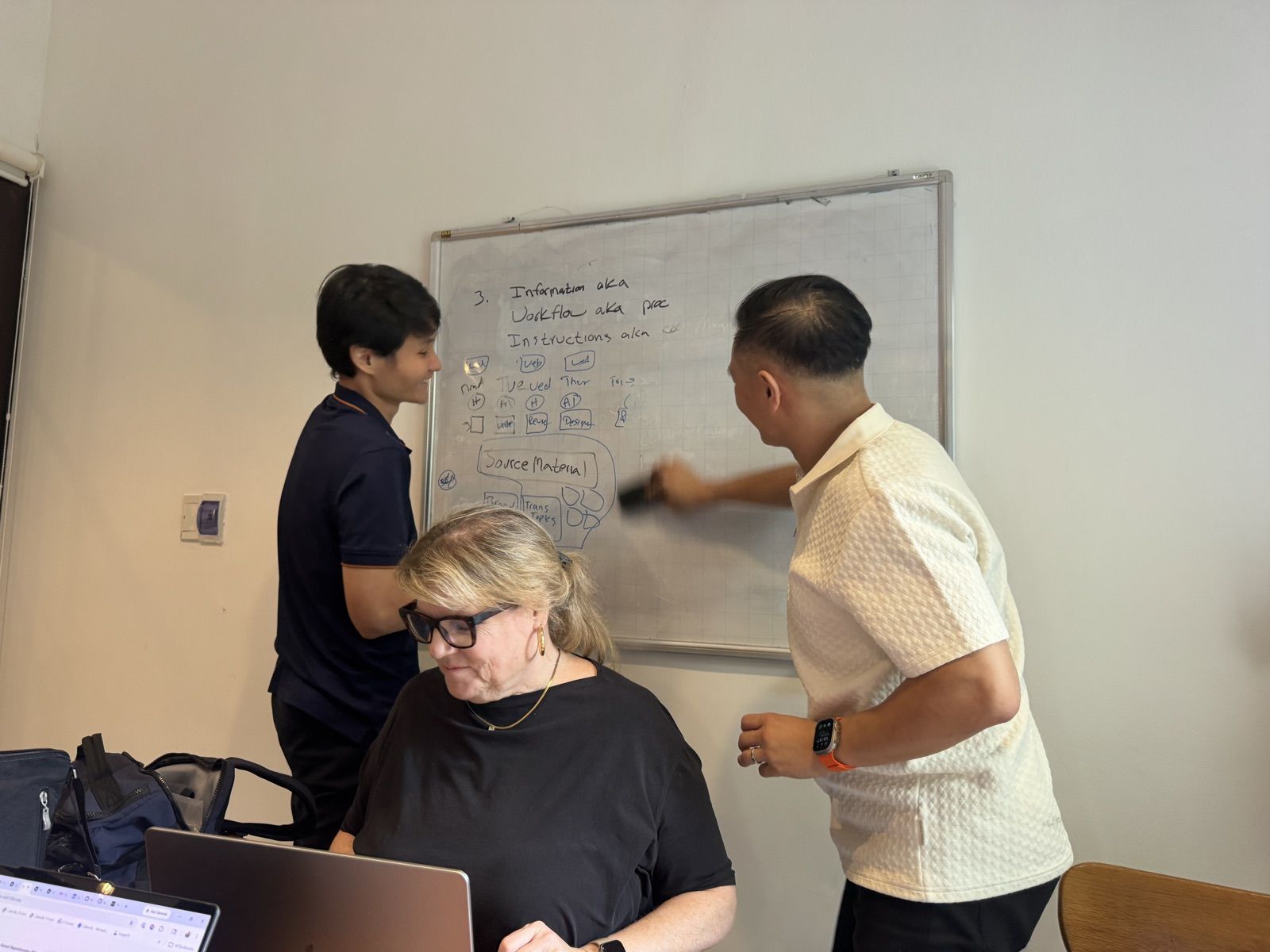
Justin and his coach got a three-hour onboarding workshop on the system and one rule: nothing reaches a student until a coach says so. Every AI draft sits in a review queue. The coach edits, approves or rewrites, and the record keeps who did what. From there the review queue is the training, and the next step is the AI Officer Institute's learning platform, AIOlabz.
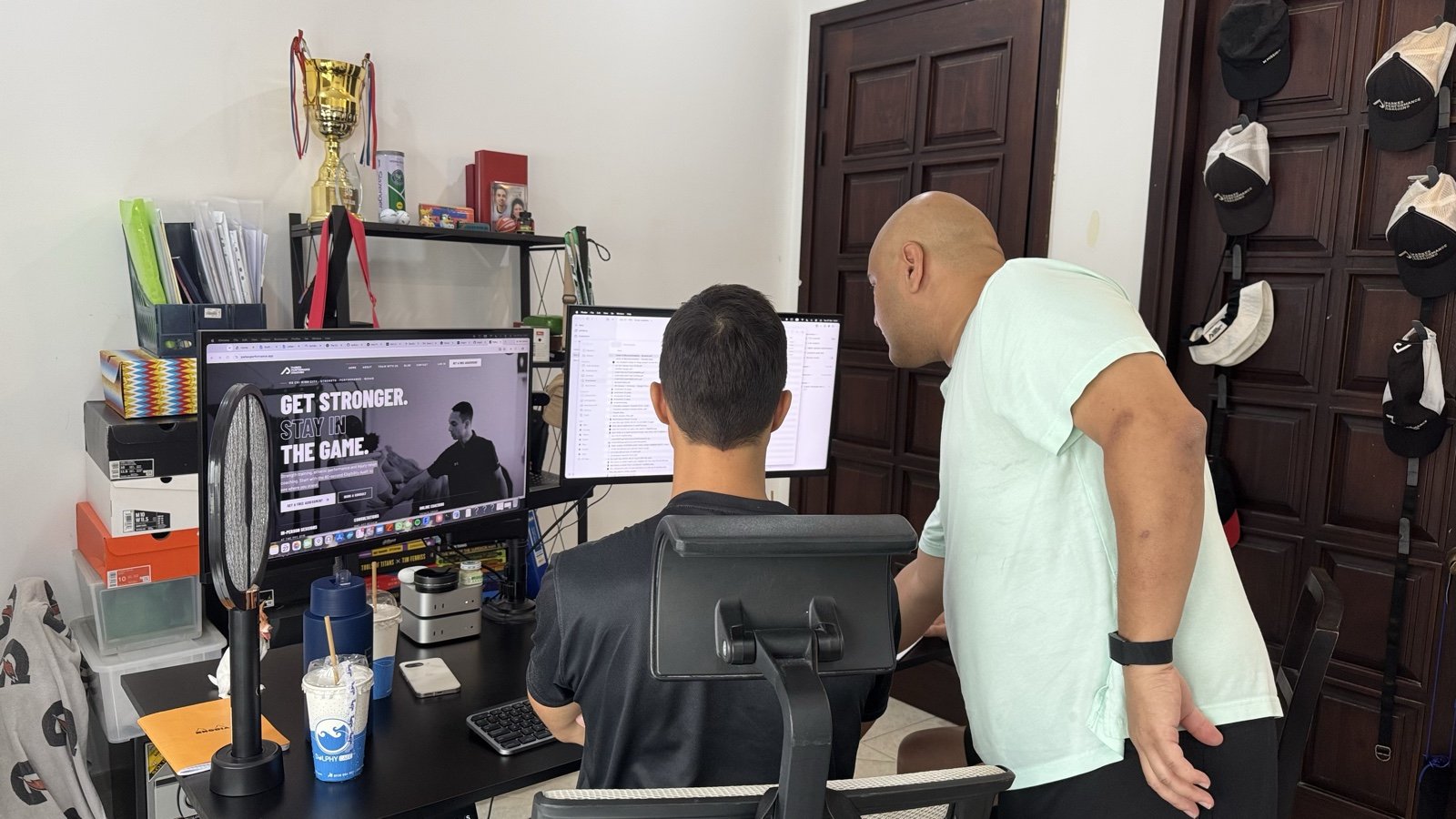
- A front door that qualifies. The new site keeps PPC's black-and-white look. Its main call to action is the Eligibility Audit: five movement questions, sixty seconds, a score. Every result lands in the admin inbox as a lead, with an AI qualifier reading the answers before a human does.
- Intake that creates the account. A six-step mobile intake captures goals, health history, experience and availability, records versioned consents, and creates the student's portal login on the spot. The Google Form is gone.
- An admin for the business. Students, coaches, intakes, coach load, inquiries, blog, newsletter and billing in one place. Assigning a coach is one click. A student can have several coaches; each coach sees only their own students.
- A shared exercise library. 168 exercises, each with difficulty, coaching cues, measurement type and progression rules, organized by movement pattern and session phase. Every plan is built from it.
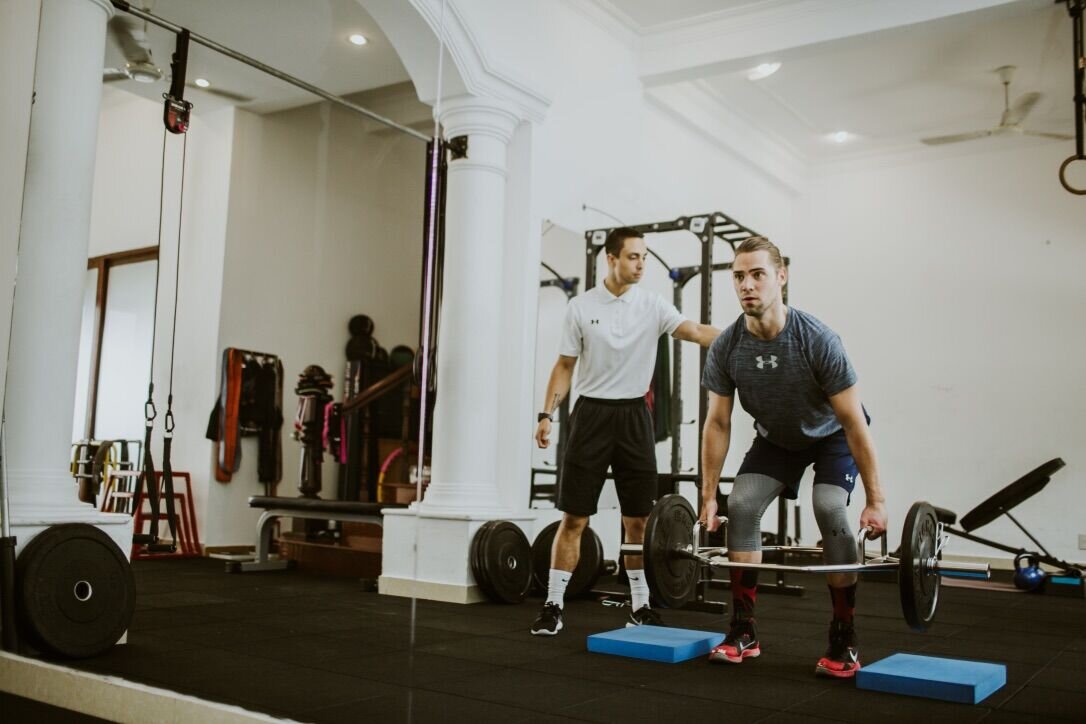
- The session loop. Each session owns its plan. A coach builds it by hand or presses Draft with AI, which builds on what was logged last time while progression rules set what is allowed. It never sees the student's name or health history. Every Saturday evening a drafter prepares the coming week. On the floor the coach moves through prep, live session and a one-pass review of sets, effort and notes. On the gym TV the session becomes a full-screen slideshow. Afterwards the student rates how hard it was.
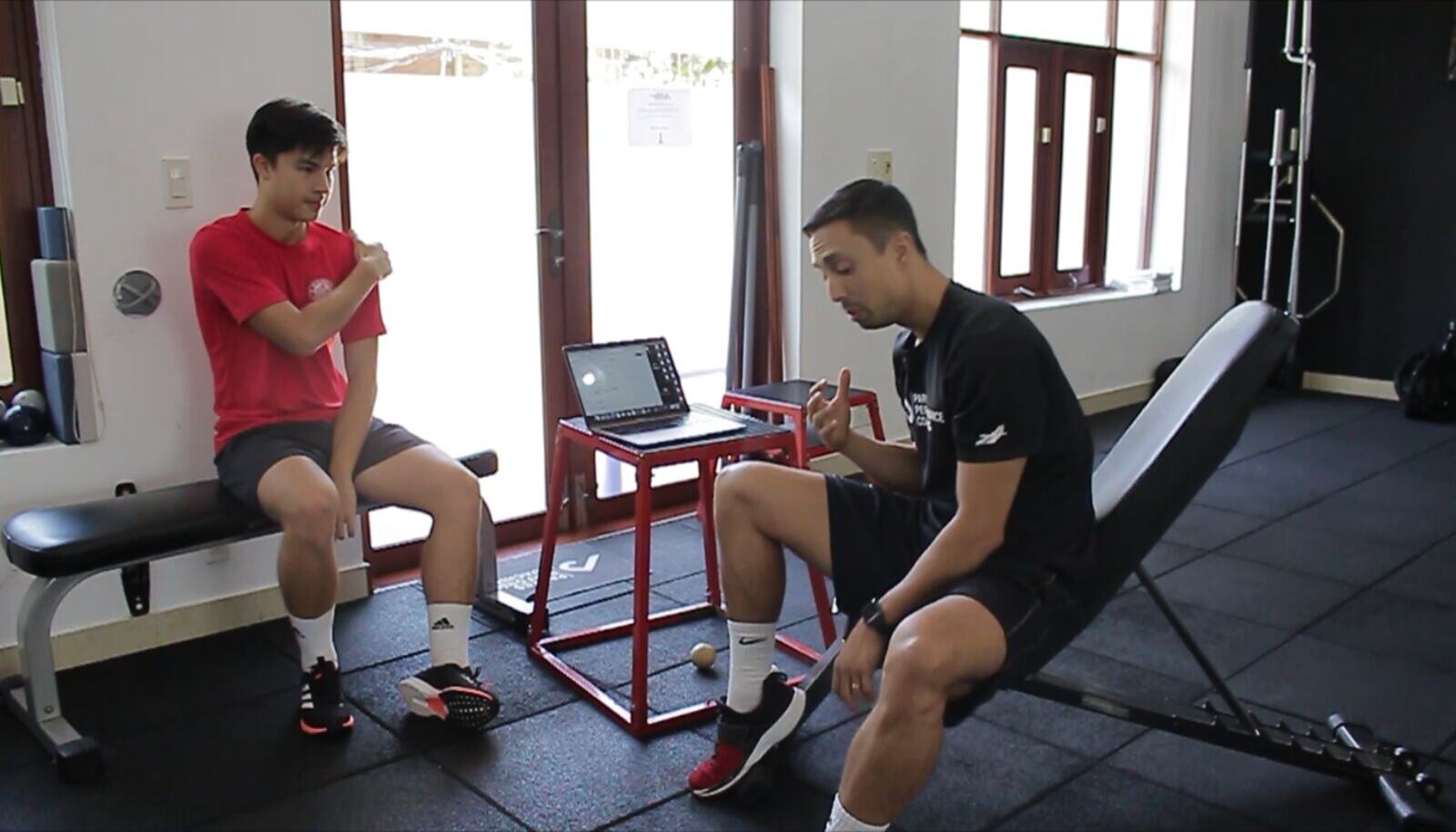
- The PPC Lab. Each student's home shows the next session, how to get ready, a readiness check, this week's consistency, focus areas with real progress, and tips from their coach. A biometrics hub reads InBody reports, imports WHOOP recovery and sleep, and tracks weight. Session Zero turns the first assessment into a report: video analysis of squat, hinge, push, pull and trunk, each with findings and one focus.
- Operations and marketing, built in. Packages, billing plans and VAT invoices with PDFs and online signing. A team workboard, time off and expense claims. A blog with SEO, a double opt-in newsletter, broadcasts and a welcome series written in Justin's voice. A monthly recap reports what worked. Ten scheduled jobs run all of it.
- A coach assistant and a locked health tier. Justin can ask the database in plain English. The assistant can only read, never write, and it cannot see health records at all. Health data sits in its own tier, every read is audited, and files open through short-lived links.
The same session, seen from every door. These are the live screens, from Dave's own account, in the order the work flows.
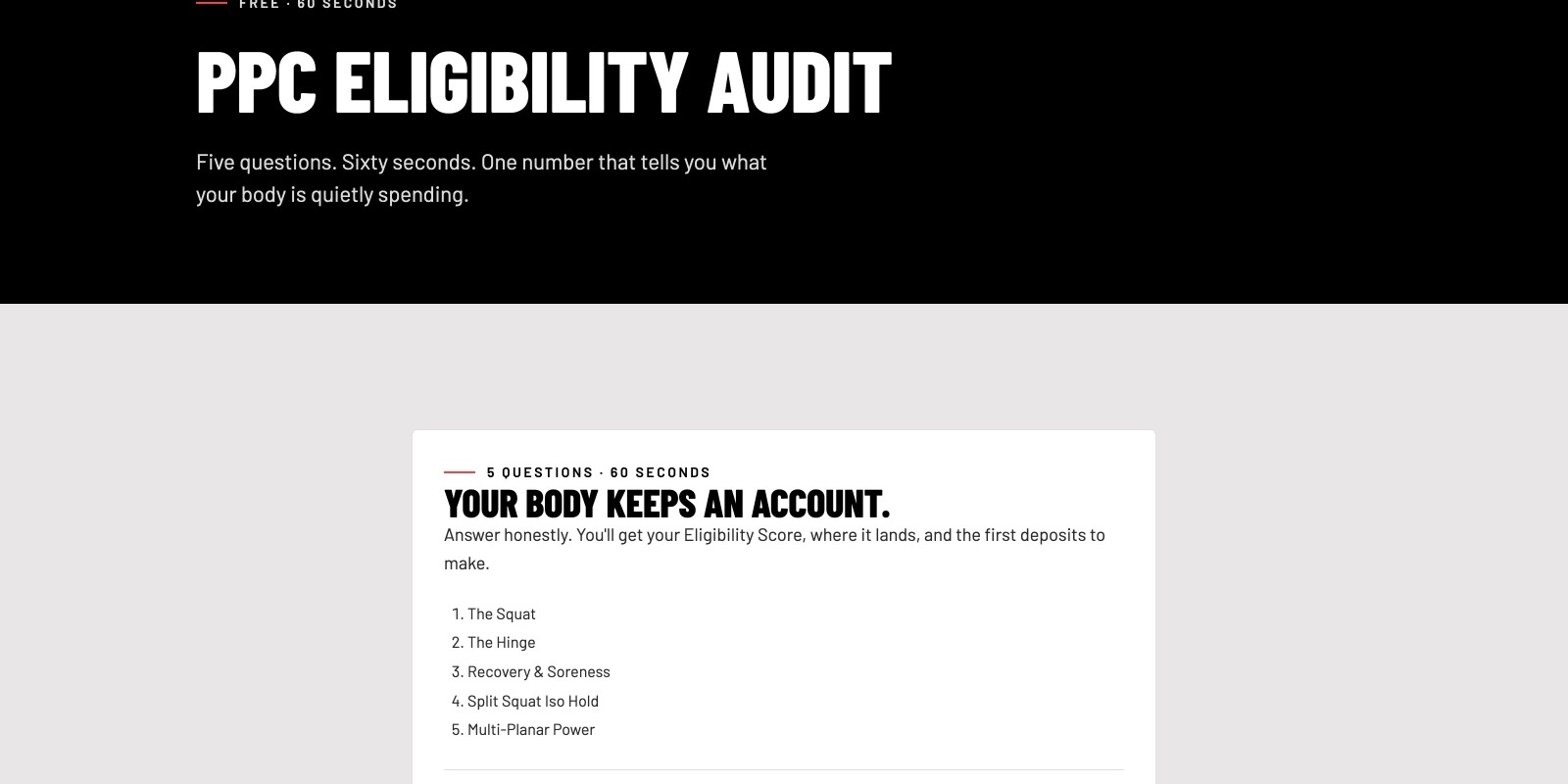
A prospect takes the Eligibility Audit
Five movement questions, sixty seconds, a score. The result lands in the admin inbox as a lead, with an AI qualifier reading the answers before a human does.
- One record per student instead of four. Website, intake, program and session history share one database. A new coach reads the history; nobody has to tell it.
- Plans are drafted, not typed. 82 of the 97 exercise prescriptions in the live plans started as an AI draft. Coaches edit and approve; nobody starts from a blank spreadsheet.
- Assessment became a product. 9 Session Zero reports, 14 analyzed movement patterns and 16 assessment videos, delivered to the student's portal instead of a verbal debrief.
- The business runs on a schedule. Ten automated jobs, from plan drafts and session-prep emails to billing renewals and the monthly recap. The first monthly reports reached students on 1 November.
- Health data has rules. Versioned consents at intake, a separate health tier, 2,990 audited reads, and an AI assistant that is structurally unable to see it.
- Twenty-six days. 195 pull requests, 60 database migrations and 148 pages, from an empty repository to a student training and a business running on it. 68 million fresh agent tokens against about 32 human hours: the tokens did the volume, the humans did the judgment.
“He gave me guardrails to think. There's more of a direction on a map, instead of it being fog of war. He went from A to Z. I would go from A to C and keep figuring it out. It would have taken me the whole year if I did it myself.”
Justin Parkes, founder, Parkes Performance Coaching
“A coaching business is the purest shape of a Company OS. One person's judgment, applied to a few dozen people, one session at a time. If the system can hold that judgment and hand it back to the coach at the right moment, the coach gets to coach.”
Dave Hajdu, founder, Edge8
Justin's problems lived in his head as ideas, and thinking crowded out action. The first draft he could click on came back within two days of the start. He calls it his first action in a year of planning. Put a real thing in front of the owner early, then go wider with quick examples across the business.
Every AI draft in PPC waits for a coach. The rule is in the product and in the pitch to students. Trust came faster because the gate was visible.
The temptation is four tools: a website builder, a CRM, a training app, an invoicing tool. PPC has one schema and four role-scoped views. The coach, the student and the owner see the same session from different sides.
This runs on the same Company OS we install for clients. If you want the people who built it inside your company, talk to us about the roles you actually need.